Trucks continue to play an essential role in transportation, business operations, and everyday life because they offer exceptional durability, versatility, and performance for a wide range of driving needs. From personal use to commercial applications, these vehicles have become a trusted solution for individuals and organizations that require reliability and strength. Their ability to handle demanding tasks while maintaining comfort and convenience has contributed to their lasting popularity around the world.
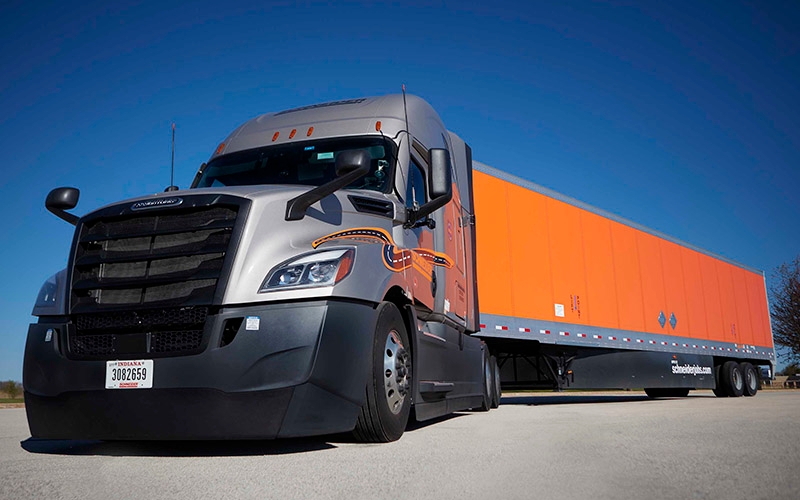
One of the primary reasons Trucks remain in high demand is their remarkable versatility. Unlike many other vehicle types, trucks can be adapted to perform a variety of functions. They are commonly used for hauling heavy equipment, transporting materials, towing trailers, and supporting outdoor activities. This flexibility makes them valuable assets for construction professionals, business owners, farmers, and recreational enthusiasts alike.
Modern truck designs have evolved significantly over the years. Manufacturers now focus on combining power with advanced technology, creating vehicles that offer both capability and comfort. Today’s trucks feature sophisticated safety systems, improved fuel efficiency, and advanced connectivity options that enhance the overall driving experience. These innovations allow drivers to enjoy the benefits of a hardworking vehicle without sacrificing convenience or modern features.
Durability is another characteristic that sets trucks apart from many other vehicles. Built with strong frames and robust engineering, they are designed to withstand challenging conditions and demanding workloads. Whether navigating rough terrain, carrying heavy cargo, or traveling long distances, trucks are engineered to deliver dependable performance. This durability often translates into a longer service life, making them a practical investment for many owners.
Comfort has also become a major focus in truck development. While older models were primarily designed for utility, modern trucks offer spacious interiors, premium seating, and advanced climate control systems. Many models now provide luxury-level features that make long journeys more enjoyable. As a result, trucks have become increasingly popular among families and individuals who value both capability and comfort.
The growing popularity of truck customization further demonstrates their appeal. Owners frequently personalize their vehicles with accessories and upgrades that improve appearance, functionality, or performance. Custom wheels, lighting systems, storage solutions, and protective equipment allow drivers to tailor their trucks to specific needs and preferences. This ability to customize helps create a more personalized ownership experience.
Environmental considerations have also influenced the truck industry. Manufacturers are investing in cleaner technologies, including hybrid and electric truck models, to meet changing consumer expectations and regulatory standards. These developments aim to reduce emissions while maintaining the performance characteristics that truck owners value.
As transportation needs continue to evolve, trucks remain one of the most practical and dependable vehicle choices available. Their combination of strength, adaptability, comfort, and innovation ensures they will continue to serve an important role in both personal and professional settings for years to come.